
Relocating to Juno Beach: A Guide to Neighborhoods & Beach Access
January 1, 2026
January 1, 2026
Thinking about a move to Juno Beach? You’re not alone. This small oceanfront town sits between Jupiter and Palm Beach Gardens and offers easy beach access, a relaxed pace, and a compact footprint that makes daily life simple. In this guide, you’ll learn how the neighborhoods differ, where and how you access the beach, and what to consider when choosing between a condo and a single-family home. You’ll also find practical tips on commuting, seasonality, and due diligence so your move feels seamless. Let’s dive in.
Juno Beach is a coastal town in Palm Beach County within the West Palm Beach–Boca Raton–Delray Beach metro. The community hugs A1A along the ocean with a small inland grid west of US-1. You get a true beach-town feel with the town pier, nearby parks, and civic pride centered around ocean conservation, including the Loggerhead Marinelife Center. Everyday services, shopping, and medical care are close by in Jupiter and Palm Beach Gardens.
The town’s layout and lifestyle are straightforward. A1A is the ocean-view corridor, US-1 is the practical main street for errands, and I-95 handles regional commuting. This simple framework makes it easy to compare living options and pick the right fit for you.
Juno Beach offers a few distinct living patterns. Each one trades off convenience, maintenance, privacy, and budget in different ways.
If beach access and views top your list, the oceanfront area delivers. You’ll find low- and mid-rise condo buildings and a limited number of single-family properties along the narrow coastal strip. The appeal is clear: walk to the sand, enjoy sunrise views, and keep exterior upkeep simple.
Consider the practical side too. Oceanfront properties can carry higher insurance costs, stronger HOA fees, and stricter building rules. Buildings may schedule major projects over time, such as concrete restoration or roof work, which can lead to special assessments. If you’re a part-time resident, this corridor is a convenient lock-and-leave option.
West of US-1, you’ll see a mix of mid-century cottages, ranch homes, and newer infill construction. Lots can feel larger, and you gain yard space and privacy while staying a short drive to the beach. This area suits buyers who prefer a standalone home without the layers of condo rules.
Keep in mind that some streets may still sit in coastal flood zones. You’ll want to check the specific property’s FEMA flood designation and elevation. For buyers planning long-term renovations or a pool, single-family ownership offers flexibility compared to most condo buildings.
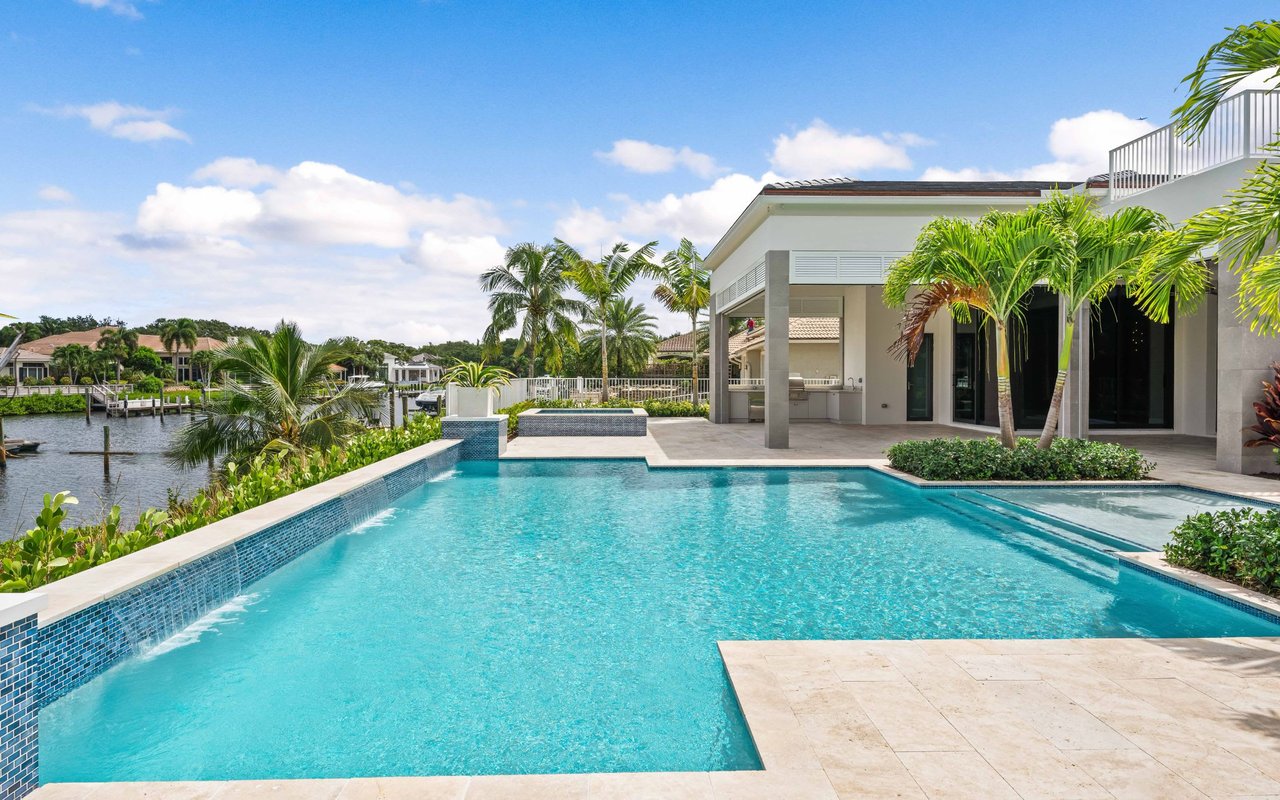
There are pockets of newer, custom-built residences designed for more interior space and upgraded finishes. These homes typically appeal if you want a modern floor plan, higher-end materials, and a private-feeling setting. Expect the usual single-family responsibilities, from roof care to landscaping.
Many Juno Beach residents use services in Jupiter and Palm Beach Gardens. If you want gated communities, golf, or newer master-planned neighborhoods with club-style amenities, you’ll find those nearby. This hybrid approach lets you live minutes from the beach while using adjacent towns for schools, shopping, and medical facilities.
One of the biggest advantages of living in Juno Beach is how easy it is to reach the ocean. Public access points line A1A, and larger parks and the town pier offer extra amenities.
You can reach the sand from designated cross streets and beach parks along A1A. Larger sites typically offer restrooms, showers, and picnic spaces. The Juno Beach Pier is a local landmark and a favorite for strolling or fishing. If daily beach time is part of your lifestyle, these conveniences make a difference.
Parking varies by access point. Some areas have metered or limited on-site spaces and nearby street parking with time limits or resident permits. When you tour, visit your preferred beach entrances on a weekday morning and a weekend afternoon to see real parking demand. Doing this during winter season gives you the truest picture.
Lifeguard coverage is typically tied to larger beach parks and can be seasonal. Learn the posted flag system, check rip current advisories, and know where emergency access points are located. These details help you choose the best beach spots for your comfort level.
Local rules differ by town and county. Many beaches restrict dogs on the sand or require leashes, and glass containers or fires are often prohibited. Before bringing pets or planning a beach gathering, review the current town and county ordinances.
Many county beaches maintain ADA-friendly ramps or mats to improve access. If accessibility is important to your household or guests, confirm which access points offer the features you need.
Juno Beach is an important sea turtle nesting area. Lighting ordinances usually apply along the coast to protect nesting and hatchlings, and you may see seasonal restrictions or lighting requirements for oceanfront properties. Beach renourishment projects and dune maintenance also occur periodically in parts of Palm Beach County. If you swim often, check current water quality advisories issued by local health or environmental agencies.
Both paths can work well in Juno Beach. The best choice depends on how you plan to live, your maintenance preferences, and your risk tolerance for coastal variables.
Condos minimize exterior maintenance and often include amenities like pools, fitness rooms, and managed grounds. They are ideal if you value simplicity, covered parking, and a true lock-and-leave setup. Many seasonal owners prefer this option for low upkeep during the off months.
Before you write an offer, review these items:
A house gives you more privacy, a yard, and freedom to customize. If you want outdoor kitchens, a workshop, or a pool, single-family living may suit you best. You also control your own maintenance timeline rather than relying on a board or building schedule.
Plan for:
Coastal parcels can fall within FEMA flood zones such as AE or VE. If the property is in a Special Flood Hazard Area and you carry a mortgage, flood insurance will likely be required. Always run a property-specific FEMA Flood Insurance Rate Map lookup and request an Elevation Certificate if available. Get early quotes for both flood and wind coverage.
Windstorm insurance options include private carriers and state-backed insurers. Premiums are sensitive to roof age, roof shape, and wind mitigation features. Ask sellers or HOAs for recent renewals and clarify hurricane deductibles, which are often set as a percentage of the insured value. For oceanfront and low-lying areas, finished floor elevation and foundation type influence both risk and pricing.
Juno Beach’s road network is simple and convenient. A1A provides scenic local travel. US-1 runs through town and connects you to daily services. I-95 is the main north-south highway for regional trips. This makes it easy to live by the beach without losing access to the wider metro area.
For travel and transit, Palm Beach International Airport in West Palm Beach offers regional and national flights. Intercity rail service is available from Brightline’s West Palm Beach station, with additional options through Tri-Rail and Amtrak accessed by car. Palm Tran bus routes operate along US-1 and link to nearby towns. Ride-hailing is widely available.
Use this checklist to organize your search and due diligence:
Before touring properties
On-site checks
Post-offer due diligence
If you’re relocating, a local, owner-led team can make the difference between guessing and knowing. GulfStream is headquartered next door in Jupiter and serves Northern Palm Beach County with on-the-ground insight. You get a boutique experience paired with professional, tech-enabled support: virtual showings, thoughtful neighborhood guidance, and clear comparisons across oceanfront condos and inland single-family options.
Whether you’re weighing HOA rules, flood zones, or a commute to West Palm, we help you confirm the details that matter. If you plan to rent seasonally, we can guide you through municipal and association rules and connect you with property management resources. When you’re ready, we’ll craft a strategy that fits your timeline and budget so you can enjoy the beach-town lifestyle with confidence.
Ready to explore Juno Beach? Reach out to GulfStream Properties for local guidance and a move plan tailored to you.
Stay up to date on the latest real estate trends.

Choosing Gulfstream Properties means choosing a boutique real estate experience where you are the priority. We pride ourselves on our deep local knowledge, our commitment to transparency, and our ability to anticipate and solve problems before they arise. From the first meeting to long after the keys are handed over, we are by your side, offering guidance, support, and expertise that goes far beyond the typical realtor-client relationship. Are you ready to experience the Gulfstream difference?
Get in Touch With Our Team to Learn More
GULFSTREAM PROPERTIES
4455 MILITARY TRL STE 202 JUPITER FL 33458